
 EN
EN
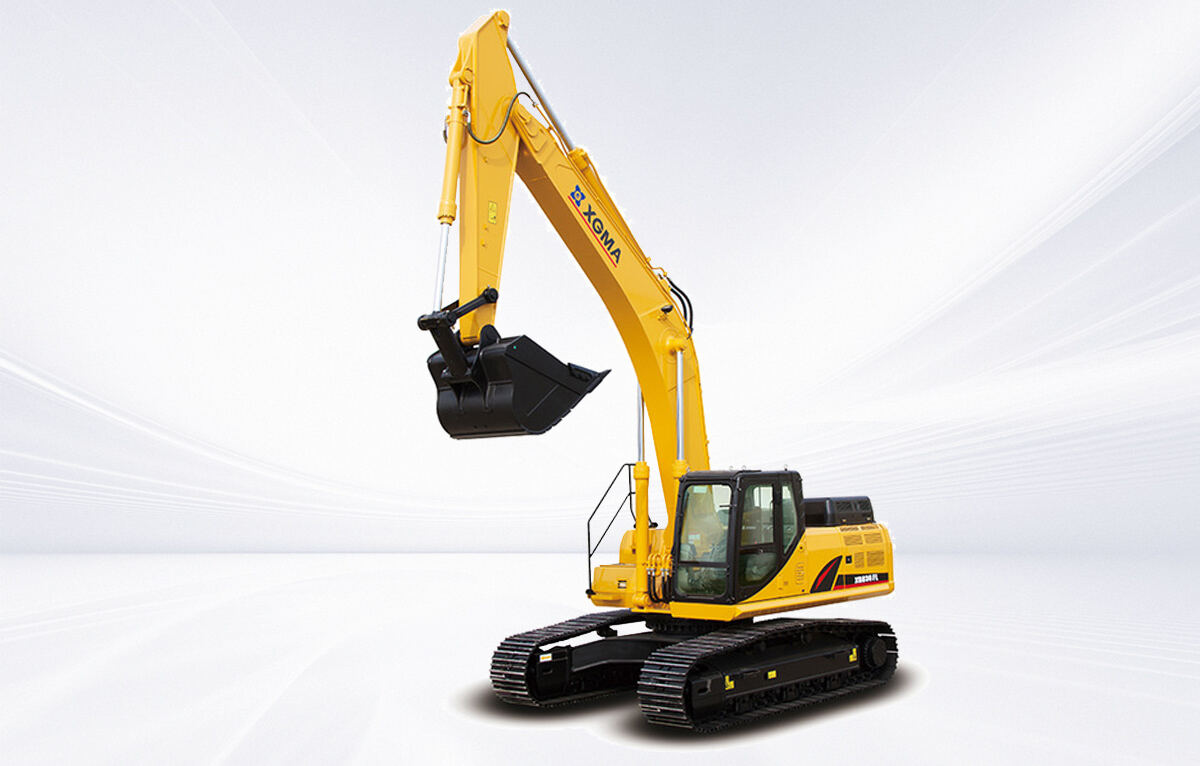
Uendeshaji wa mashine za kupanda unawakilisha moja ya mambo muhimu zaidi ya kazi za ujenzi na viwanda, ambapo maoni ya usalama huamua tarkishi kati ya kukamilika kwa mafanikio wa mradi na matukio ya kuvuruga. Ughuvu wa uendeshaji wa mashine za kupanda unahitaji uelewa kamili wa nguzo mbalimbali za usalama, kutoka kwa ukaguzi kabla ya uendeshaji hadi ukaguzi wa hatari za mazingira, ikifanya taratibu za usalama ziwe za lazima kwa kulinda watu, vifaa, na miundo ya mazingira.
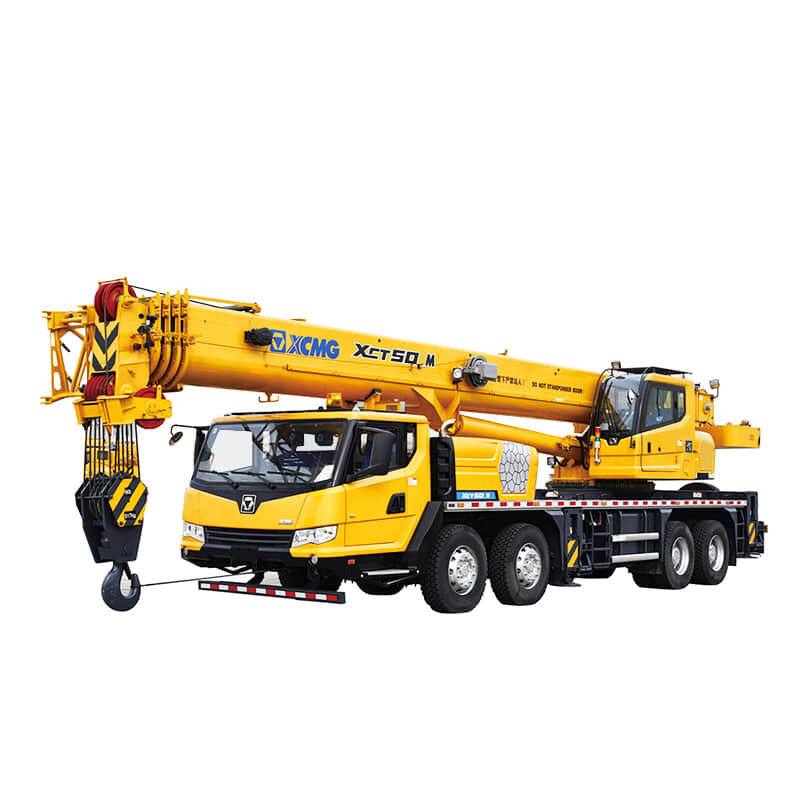
Kuelewa maoni ya usalama ya mashine za kupanda inahitaji kuchunguza mifumo iliyofunguka pamoja ambayo huongoza uendeshaji salama, ikiwemo utakatifu wa kiashiria, ujuzi wa mfanyakazi, sababu za mazingira, na hatari za eneo fulani. Maoni haya ya usalama yanapanua zaidi ya taratibu rahisi za uendeshaji ili kujumuisha utii wa sheria, taratibu za kujibia hali ya dharura, na ukaguzi wa mara kwa mara wa hatari wote kote katika kila hatua ya kuweka na kufanya kazi ya mashine za kupanda.
Ukaguzi wa Usalama Kabla ya Kuanza Kufanya Kazi
Miongozo ya Ufunguo wa Vifaa
Kila uendeshaji wa kranki huanza na mapambano ya awali ya kina yanayounda msingi wa usalama wa uendeshaji. Mapambano haya yahitaji kuthibitisha utakatifu wa kihistoria wa sehemu zote za kranki, ikiwemo misumari ya waya, mikono, vikoa vya mzigo, mifupa ya nje, na mifumo ya hidrolik. Mchakato wa mapambano unahitaji watu waliotuzwa kugundua mapungufu ya uwezekano kabla hawajafanya uvurugu kwa usalama wa uendeshaji, kuchunguza miongo ya uvunjivu, utakatifu wa kihistoria, na utendaji wa kazi wa mifumo muhimu.
Kurekodiwa kwa matokeo ya mapambano hungeuza uwezo wa kusimamiwa na uwezo wa kutambuliwa katika uendeshaji wa kranki. Kumbukumbu za mapambano lazima zieleze matokeo maalum, vitendo vya kurekebisha vilivyofanywa, na uthibitisho wa marekebisho au ubadilishaji wa sehemu. Mchakato huu wa mfumo huzuia kwamba kila kranki inafanana na maelekezo ya mtengenezaji na mahitaji ya sheria kabla ya kuanza kufanya kazi, kuanzisha msingi wa kuaminika kwa uendeshaji usalama.
Uthibitishaji wa kujaribu kwenye mzigo unawakilisha kipengele kingine muhimu cha tathmini ya awali ya uendeshaji, ambapo uwezo wa kikaratasi unapaswa kuthibitishwa dhidi ya mahitaji ya kuvuta yanayotarajwa. Utaratibu huu unaJumuisha uthibitishaji wa mishale za mzigo, uthibitishaji wa mpangilio wa mabomu, na kuhakikisha kwamba mavuta yamepangwa bado yanaendelea ndani ya mipaka ya usalama wa kazi chini ya hali maalum za eneo na sababu za mazingira.
Tathmini ya Hatari za Eneo
Tathmini kamili ya eneo inategemea hatari za mazingira na za miundo ambazo zinaweza kuathiri usalama wa kikaratasi wakati wa uendeshaji. Tathmini hii inachunguza hali ya udongo, vikwazo vya juu, ukaribu na mistari ya umeme, na uwezekano wa kuchanganya na shughuli nyingine za ujenzi. Utaratibu wa tathmini unapaswa kuzingatia hatari za kimataifa zilizopo mwanzoni mwa uendeshaji na hatari za kisasa ambazo zinaweza kutokea kama kazi inavyoendelea.
Uchambuzi wa uwezo wa uzito wa ardhi unahakikisha kwamba mzigo wa mabasi ya kranki na mzigo wa mistari ya kufuata (track loads) yanaendelea ndani ya mipaka ya usalama kwa hali za udongo uliopo. Uchambuzi huu unakuwa muhimu sana wakati wa kufanya kazi kwenye eneo la kubadilika, karibu na mapanga, au juu ya miundo ambapo usambazaji wa mzigo unathibitisha ustabiliti wa jumla. Ni lazima uweke mikakati ya utayari wa kutosha wa ardhi na usambazaji wa mzigo kulingana na matokeo haya.
Uthibitisho wa nafasi ya uhuru unahindua mawasiliano na vifaa vya juu, ikiwemo mistari ya umeme, majengo, na vifaa vingine. Utaratibu huu unahitaji ujuzi wa kuzingatia na kurekodi nafasi ya uhuru kote katika radius ya kufanya kazi iliyopangwa, ikijumuisha upungufu wa boom chini ya mzigo na radius ya kuzunguka inayoweza kutokea wakati wa kufanya kazi.
Mahitaji ya Ujuzi wa Mfanyakazi na Mafunzo
Viashiria na Viwajibiko vya Ubunifu
Sahihisho la mfanyakazi wa kuleta kikokoto ni muhimu sana kwa usalama, linalohakikisha kwamba watu wenye ujuzi wanaendesha mashine hizi ya nguvu. Programu za usahihisho huthibitisha kwamba wafanyakazi wanajua ya teknolojia, ujuzi wa kufanya kazi, na ufahamu wa usalama unaohitajika kwa kuleta kikokoto kwa usalama. Programu hizi zinajumuisha mara nyingi mtihani wa kuandika unaozua nadharia ya kikokoto, hesabu za mzigo, na sheria za usalama pamoja na maonyesho ya kufanya kazi ya kujitegemea.
Mahitaji ya mafunzo yanayosindikana yanadumisha ujuzi wa wafanyakazi kwa kuwa teknolojia ya vifaa inabadilika na viwango vya usalama vinavyopanua. Mafunzo ya kurefresh kwa mara kwa mara yanasolwa kuhusu taratibu mpya za usalama, mabadiliko ya vifaa, na masomo yaliyochukuliwa kutoka kwa matukio ya sekta. Mbinu hii ya kujifunza kila wakati inahakikisha kwamba wafanyakazi wanabaki wamejifunza kuhusu mbinu bora zisizotegemea na mabadiliko ya sheria ambayo yanathibitisha usalama wa kikokoto.
Mafunzo ya kipekee kwa aina maalum za mapanda na matumizi yao husadikisha kwamba wafanyabiashara wanajua sifa tofauti na mazingatio ya usalama ya mpangilio tofauti ya vifaa. Mapanda ya mbio, mapanda ya minara, na mapanda ya juu kila mmoja hutoa changamoto tofauti za uendeshaji ambazo hazitakiwi kufundishwa kwa njia ya kipekee ili kushughulikiwa kwa usalama na kwa ufanisi.
Miongozo ya Mawasiliano na Ushirikiano
Mifumo ya kushirikiana kwa ufanisi inasaidia uendeshaji wa mapanda unapojitumia watu wengi pamoja ili kutekeleza kazi za kupanda kwa usalama. Isarahi za mikono ya kawaida, miongozo ya mawasiliano kwa redio, na mazungumzo ya awali ya kazi huweka vikwazo vya mawasiliano wazi ambavyo huzuia mielekeo ya kuvunjika wakati wa kazi muhimu za kupanda. Mifumo hii huwa muhimu zaidi wakati mawasiliano ya kuona kati ya wafanyabiashara wa mapanda na watu wa chini huwa ya kutosha.
Kuwa na kwalifikesheni ya mtu anayetoa ishara unahakikisha kwamba watu wanaoongoza mivyo ya kranki wana maarifa na ujuzi unaohitajika kuwawezesha shughuli kwa usalama. Watu waliohitimu kutoa ishara wanajua namna ya kusogeza mzigo, uwezo wa kranki, na kugundua hatari, ambavyo huwawezesha kuwapa maelekezo sahihi katika mifumo ya kusogeza mzigo yanayotahadharika. Kazi yao huwa muhimu sana katika hali ambapo wafanyikazi wa kranki hawawezi kuona moja kwa moja nafasi ya mzigo au hatari zinazoweza kutokea.
Ushirikiano na matajiri mengine na shughuli zingine hunyesha ushindani na migogoro inayoweza kuharibu usalama wa kranki. Ushirikiano huu unajumuisha kupangia mafunzo ya kranki ili kupunguza migogoro na shughuli zingine za ujenzi, kuweka eneo la kukatwa karibu na shughuli za kranki, na kutekeleza taratibu za kudumisha shughuli zinazofanyika pamoja na zinazoweza kuathiri ustabiliti ya kranki au njia za kusogeza mzigo.
Usimamizi wa Mzigo na Usalama wa Kufunga Mzigo
Kukokotoa Mzigo na Usimamizi wa Uwezo
Kuhesabu kwa usahihi uzito wa mzigo unafanya msingi wa uendeshaji salama wa mashine za kupakua, na inahitaji kuamua kwa usahihi uzito wa halisi wa mzigo ikiwemo vifaa vya kufunga, vifaa vya kujumuisha, na nguvu zozote za kiharakati ambazo zinaweza kutokea wakati wa kupakua. Mchakato huu wa kuhesabu unapaswa kuchukua makadirio ya mabadiliko ya uzito, mahali pa kituo cha uvumilivu (center of gravity), na sababu za mazingira ambazo zinaweza kuhusu nguvu halisi za kupakua. Kuhesabu kwa usahihi uzito unadhibiti hali ya kuzidisha mzigo ambayo inaweza kusababisha kushindikana kwa vifaa au ustahisho wa uendeshaji.
Kusoma ramani ya uzito inahakikisha kwamba mipakuo iliyopangwa yatabaki ndani ya mipaka ya uwezo wa mashine ya kupakua katika mchanganyiko yote wa uendeshaji. Ramani za uzito zinatoa taarifa za uwezo kwa urefu maalum wa kiwanda, mbali ya mzigo, na mchanganyiko wa mashine ya kupakua, lakini kusoma kwa usahihi inahitaji uelewa wa jinsi ya mazingira ya eneo, vifaa vya kujumuisha, na sababu za uendeshaji zinavyoathiri uwezo uliowekwa. Wafanyikazi wanapaswa kuthibitisha kwamba mipakuo iliyopangwa inachukua makadirio ya sababu zote ambazo zinaweza kupunguza uwezo uliopatikana.
Sababu za mzigo wa kudumu zinaweka mazoezi ya ziada kwa usimamizi wa uwezo wa mashine ya kupakua, hasa wakati wa shughuli za kupakua ambapo mzigo unahamia au nafasi ya mzigo inabadilika. Sababu hizi zinaweza kuongeza sana nguvu za kupakua halisi zisizo sawa na uzito wa mzigo wa kimantiki, na kuhitaji mipango ya ziada ya uwezo ili kuhakikisha uendeshaji salama katika mchakato wote wa kupakua.
Vifaa vya Kupakua na Uchunguzi
Uchaguzi wa vifaa vya kupakua na uchunguzi huathiri moja kwa moja usalama wa kupakua, na huitaka utathmini wa makini ya vifaa vya kupakua, vifaa vya kufunga, vifaa vya kusambaza mzigo, na vifaa vingine vya kupakua vinavyotumika katika makina shughuli. Kila sehemu inahitaji kuwa na uwezo wa kutosha kwa mzigo uliotarajwa pamoja na kudumisha uсовместимости na vifaa vingine vya kupakua. Mchakato wa uchunguzi unahitaji kugundua uvimbe, udharau, au upungufu ambao unaweza kuharibu uhai wa vifaa vya kupakua wakati wa shughuli za kupakua.
Kukokotoa kona ya sling inaamua mzigo wa kweli kwenye vipengele vya rigging, ambao huweza kuzidisha kwa kiasi kikubwa mzigo wa kawaida wakati kona ya sling ikiwa na kipenyo cha chini. Uundaji wa sahihi wa rigging unadumisha kona za sling ndani ya mipaka ya usalama wakati mwingine unapohakikisha kuwa mzigo umekuwa chini ya udhibiti wa salama katika uendeshaji wote wa kupanda. Kukokotoa hiki huwa muhimu sana kwa mpangilio wa rigging wenye mifupa mingi ambapo usambazaji wa mzigo unapaswa kuhakikishwa kwa kila sling.
Kumbukumbu ya mpangilio wa rigging inahakikisha kwamba mpangilio mchanganyiko wa rigging unaweza kuthibitishwa na kurudishwa kwa usalama. Kumbukumbu hii inajumuisha rasmis, maelezo ya vipengele, na rekodi za inspeksheni zinazotoa ushirikiano kamili wa uendeshaji wa kupanda. Kumbukumbu bora inaruhusu uthibitisho wa udhibiti wa ubora na kutoa taarifa za marejeleo kwa uendeshaji wa kupanda wa kijamii katika mafuta ya baadaye.
Hatari za Mazingira na ya Uendeshaji
Udhibiti wa Hali ya Hewa
Hali ya hewa huathiri usalama wa malazi kwa kiasi kikubwa, na hii inahitaji ufuatiliaji na utambuzi wa muda wote wa kasi ya upepo, hali ya uonekano, na athari za mvua wakati wa uendeshaji. Hali ya upepo mkali huunda mzigo ziada kwenye miundo ya malazi na vitu vilivyopandwa, ambavyo yanaweza kupita mipaka ya usalama hata pale ambapo mzigo bado iko ndani ya vikomo vya kawaida vya uwezo. Mifumo ya ufuatiliaji wa hali ya hewa hutupa taarifa za wakati halisi zinazohitajika kufanya maamuzi ya kuelewa kuhusu kuendelea au kusimamisha uendeshaji wa malazi.
Vipimo vya kasi ya upepo vinatofautiana kulingana na mpangilio wa kifuniko, sifa za mzigo, na mahitaji ya uendeshaji. Watoa bidhaa huwapa kasi ya juu ya upepo kwa mazingira tofauti ya uendeshaji, lakini mambo ya eneo husika yanaweza kumhitaji mipaka zaidi ya kikatili kulingana na eneo la uso la mzigo, mpangilio wa boom, na miundo ya karibu ambayo inaweza kuathiri mafumbo ya upepo karibu na uendeshaji wa kifuniko.
Mahitaji ya kuonekana husaidia wafanyikazi wa maligha kudumisha mawasiliano ya macho ya kutosha na mzigo, watu wanaowapa maelekezo, na hatari zinazoweza kutokea wakati wa uendeshaji. Upepo wa mvua, mvua, barafu, au giza linaweza kupunguza kuonekana kwa kiasi kikubwa, hivyo inahitajika kukuza nuru, taratibu za mawasiliano, au kusimamisha uendeshaji hadi kuonekana kuboresha kwa kutosha ili uendeshaji uwe salama.
Upinzaji wa Hatari za Umeme
Kuzuia hatari za umeme ni jambo la muhimu sana la usalama katika uendeshaji wa maligha, hasa unapofanya kazi karibu na mistari ya umeme, vifaa vya umeme, au katika mazingira ambapo mawasiliano ya umeme yanaweza kutokea. Mbali ya chini ya kuzingatia lazima ziwekwe na kudumishwa kati ya sehemu za maligha na vifaa vya umeme vinavyotumika, na mbali hizi zinabadilika kulingana na viwango vya voltage na hali ya mazingira.
Mifumo ya usafiri wa umeme inahitaji mifano ya usalama maalum wakati shughuli za kran zinategemea karibu na mistari ya umeme juu ya ardhi. Mifano hii inaweza kujumuisha kufuta umeme kutoka kwenye mistari, vikwazo vya kimwili, watu wanaowezesha kusimamia kwa makini, au vikwazo vya uendeshaji vinavyohakikisha umbizo wa usalama wote wakati kran inapokimbia na kufanya kazi. Ughuvu wa mifano hii mara nyingi unahitaji ushirikiano na makampuni ya umeme na wafanyabiashara wa umeme.
Vipimo vya kujisabatisha na kujisalishi kwa umeme vinatoa ulinzi zaidi dhidi ya mawasiliano ya umeme wakati shughuli za kran. Mifumo ya kujisabatisha ipasavyo inasaidia kusambaza nishati ya umeme kwa usalama kwa kesi ya mawasiliano ya ajabu, wakati vipimo vya kujisalishi vinazima mtiririko wa umeme kutoka kwenye kran kwa wafanyikazi au watu wanaoikaa chini katika hali ya kushindwa.
Ujuzi wa Kutoa Msaada wa Dharura na Usimamizi wa Matukio
Mpango wa Dharura na Mifano
Mpango wa kujibu matatizo ya kifahari unahakikisha kwamba timu za uendeshaji wa maligha zinaweza kujibu kwa namna bora katika matukio ya kushindwa kwa vifaa, upungufu wa mzigo, majeraha ya watumiaji, au matatizo mengine yoyote yanayoweza kutokea wakati wa uendeshaji. Mpango huu unapaswa kusimama na mchanganyiko maalum ya matukio yanayohusiana na uendeshaji wa maligha pamoja na kutoa mchakato wazi wa taarifa ya matatizo, kuondoa watu kutoka eneo la hatari, na vitendo vya kuzuia matatizo.
Mchakato wa kujibu matatizo ya mzigo unasimama na hali ambapo mzigo huwa haustahili, mfumo wa kushikilia mzigo hushindwa, au maligha huishindwa wakati wa kufanya kazi ya kuvuta mzigo. Mchakato huu unapaswa kutoa maelekezo wazi ya kuvuta chini au kuhakikisha kwamba mzigo umesafishwa kwa usalama wakati wa kulinda watu kutoka kwa hatari zinazoweza kutokea. Mchakato wa kujibu matatizo mara nyingi unahitaji uamuzi wa haraka katika hali za mkongojo, kwa hivyo mpango wa awali na mafunzo ni muhimu sana kwa kujibu kwa namna bora.
Mchakato wa kujibu matatizo ya kiafya unahakikisha kwamba wafanyakazi waliopata majeruhi hupata huduma za afya haraka wakati wanavyoendelea kuhakikisha usalama wa wafanyakazi wengine katika eneo hilo. Mchakato huu lazima ujaze changamoto za kufikia wafanyakazi waliopata majeruhi katika maeneo ya kazi ya juu au mahali pa kufungwa, pamoja na kushirikiana na huduma za kiafya za dharura na kudumisha taratibu za usalama wa kijiwe.
Uchunguzi wa Matatizo na Kujifunza
Mchakato wa uchunguzi wa matatizo unatoa mbinu za mfumo kwa kuchambua matatizo yanayohusiana na malami ili kupata sababu za msingi na kuzuia kutokuwepo tena. Uchunguzi huu lazima uchambue hali ya vifaa, taratibu za uendeshaji, sababu za mazingira, na sababu za binadamu zilizosaidia kutokuwepo kwa matatizo. Uchunguzi wa kina unasaidia kugundua matatizo ya mfumo ambayo yanaweza kuathiri uendeshaji wa baadaye.
Mbinu za kuchunguza sababu ya msingi husaidia watafiti kuondoka kutoka kwa sababu za mara moja ili kupata sababu za kiutawala, kisasa, au kifani ambazo zilisababisha matukio kuwakilishwa. Mbinu hii ya kuchunguza inazingatia kupata vitendo vya usawa vinavyotarajia matatizo ya msingi badala ya kushughulikia tu dalili za matatizo ya kina.
Uingizwaji wa mafunzo yaliyopata husadikisha kwamba matokeo ya matukio yatapunguzia taratibu za usalama na programu za mafunzo. Uzingatiaji huu unahusisha kuboresha taratibu za uendeshaji, kubadilisha yaliyomo katika mafunzo, na kushiriki matokeo muhimu na timu zingine za uendeshaji wa machaina ili kuzuia matukio sawa kote katika shirika.
Maswali Yanayoulizwa Mara kwa Mara
Ni vipi vya kawaida vya usalama vya muhimu zaidi vinavyohitajika kabla ya uendeshaji wa machaina?
Machakato ya usalama kila siku yamehitaji uchunguzi wa macho ya sehemu zote za kran kwa ajili ya uvunjivu au uvimbe, uhakiki wa kiwango cha mafuta na masharika ya mifumo, majaribio ya vifaa vya usalama na vikwazo vya mzigo, uthibitisho wa hali ya sahihi ya vifaa vya kufunga mzigo, na uthibitisho kwamba ramani za mzigo na wasifu wa uendeshaji ni ya sasa na zinaweza kupatikana. Machakato haya huweka uwezo wa mifumo na kugundua hali yoyote inayohitaji makini kabla ya kuanza kazi.
Hali ya hewa inasababisha nini kwa uwezo wa kran kufuliza mzigo na usalama wa uendeshaji?
Hali ya hewa huathiri kwa kiasi kikubwa uendeshaji wa mashine za kupanda kupitia athari za uvimbu wa upepo ambazo zinapunguza uwezo wa kufanya kazi, kikomo cha uonekano ambacho kinaathiri usalama wa uendeshaji, na athari za joto kwenye utendaji wa vifaa. Kasi ya upepo ikiwa juu ya maelekezo ya mtengenezaji inahitaji kuweka muda wa kutumia mashine, wakati mvua inaweza kuathiri hali ya ardhi na uvimbu wa vifaa. Ufuatiliaji wa mara kwa mara wa hali ya hewa unasaidia kuchukua maamuzi ya kuelewa kuhusu kuendelea au kubadilisha uendeshaji wa mashine kulingana na mabadiliko ya hali.
Kweli ni vipi vya kuelimika na mafunzo yanayohitajika kwa watoa mashine za kupanda na watoa ishara?
Wafanyikazi wa kifaa cha kupanda hahitaji uthibitisho kutokana na programu zilizoidhinishwa ambazo zuthibitisha ujuzi wa teknolojia na ujuzi wa vitendo, pamoja na mafunzo yanayofuata ili kudumisha uwezo na kusaidia kubadilisha kifaa. Watu wanao watoa ishara wanahitaji kuhitifika katika ishara za kawaida, utambulisho wa hatari, na taratibu za mawasiliano. Wote wawili wahitaji kuelewa mipaka ya uwezo wa kifaa cha kupanda, kanuni za kufunga na sheria za usalama zinazohusiana na mazingira yao ya kutekeleza kazi na aina za vifaa.
Kifaa cha kupanda kinapaswa kushirikiana vipi na shughuli nyingine za ujenzi ili kudumisha usalama?
Ushirikiano unahusisha kuweka eneo la kuzungukwa kwa wazi karibu na shughuli za kran, kupangia muda wa shughuli ili kuzuia migogoro, kutekeleza kanuni za mawasiliano kati ya watengenezi wanaofanya kazi mbalimbali, na kudumisha ufahamu wa mabadiliko ya hali ya mahali ambayo yanaweza kuathiri usalama wa kran. Mikutano ya mara kwa mara ya ushirikiano, utafutaji wa mahali, na mpango wa shughuli unahakikisha kwamba shughuli za kran zinajumuika kwa usalama na shughuli nyingine za ujenzi wakati wa kudumisha ufanisi na viwango vya usalama kwa wote waliohusika.
Orodha ya Maudhui
- Ukaguzi wa Usalama Kabla ya Kuanza Kufanya Kazi
- Mahitaji ya Ujuzi wa Mfanyakazi na Mafunzo
- Usimamizi wa Mzigo na Usalama wa Kufunga Mzigo
- Hatari za Mazingira na ya Uendeshaji
- Ujuzi wa Kutoa Msaada wa Dharura na Usimamizi wa Matukio
-
Maswali Yanayoulizwa Mara kwa Mara
- Ni vipi vya kawaida vya usalama vya muhimu zaidi vinavyohitajika kabla ya uendeshaji wa machaina?
- Hali ya hewa inasababisha nini kwa uwezo wa kran kufuliza mzigo na usalama wa uendeshaji?
- Kweli ni vipi vya kuelimika na mafunzo yanayohitajika kwa watoa mashine za kupanda na watoa ishara?
- Kifaa cha kupanda kinapaswa kushirikiana vipi na shughuli nyingine za ujenzi ili kudumisha usalama?